

Renting a Car in Bulgaria: What First-Time Visitors Actually Need to Know
If it is your first time renting a car in Bulgaria, the process is straightforward but there are a few local quirks that can trip up visitors. Whether you are flying into Sofia Airport, landing on the Black Sea coast at Varna, or picking up in Plovdiv, knowing the basics upfront will save you money and hassle.
Do You Need an International Driving Permit?
For most visitors, a full licence from your home country is enough for short-term stays. EU and EEA licence holders can drive in Bulgaria without any extra paperwork. If you are visiting from outside the EU, carry an International Driving Permit (IDP) alongside your original licence. Police checkpoints are common on motorways and mountain roads, and not having the right documentation can lead to an on-the-spot fine.
What to Expect at the Rental Counter
Car rental desks at Sofia and Varna airports are well organised, though queues can build up in July and August when tourist flights peak. Have your passport, driving licence and a credit card in the main driver’s name ready. Debit cards are often accepted but may trigger a higher security deposit, sometimes double the standard hold of €200–€400.
Staff will offer additional insurance. The basic package included in most quotes comes with Third Party Liability and Collision Damage Waiver (CDW). What catches first-timers out is the excess, which can be €500–€1,500 depending on the vehicle class. If you want peace of mind, the Super Collision Damage Waiver (SCDW) reduces this excess to zero for roughly €8–€15 per day. Always check the policy wording rather than assuming you are fully covered.
Understanding Bulgarian Road Rules
Bulgaria drives on the right and overtakes on the left. Speed limits are 50 km/h in towns, 90 km/h on open roads and 140 km/h on motorways. Headlights must be on day and night outside built-up areas, a rule that is strictly enforced with cameras.
The legal blood alcohol limit is zero. Do not risk even one beer before driving. Police conduct random breath tests, especially on Friday and Saturday evenings near Sunny Beach and other resorts.
Toll Roads and Vignettes
Bulgaria uses an electronic vignette system for motorways. You cannot pay at toll booths. Instead, buy a vignette online or at petrol stations, border crossings and airport kiosks before you hit the motorway. Options include:
- Weekend vignette: about €4 (valid Friday noon to Sunday midnight)
- Weekly vignette: about €8
- Monthly vignette: about €15
Cameras on the A1 (Sofia–Plovdiv), A2 (Sofia–Varna) and A3 (Sofia–Burgas) check every vehicle. Driving without a valid vignette means an immediate fine of around €100.
Fuel Prices and Petrol Station Tips
As of mid-2026, unleaded petrol costs roughly €1.35–€1.50 per litre and diesel is slightly cheaper at €1.25–€1.40. Petrol stations are plentiful on main routes but sparse in the Rhodope Mountains and along remote stretches of the Black Sea coast north of Golden Sands. Fill up before heading into rural areas.
Most stations accept card payments, though some rural ones still prefer cash. Carry small notes in Bulgarian lev for tolls and parking attendants.
Parking in Cities and Resorts
In Sofia, paid parking zones operate Monday to Saturday, typically costing 1–2 lev (€0.50–€1.00) per hour. Blue zones are short-stay, green zones allow longer parking. Payment is usually via SMS or mobile apps. In smaller cities like Plovdiv and Burgas, parking is cheaper and easier to find.
Beach resorts such as Sunny Beach and Golden Sands have dedicated paid lots in summer. Free street parking fills by 9 am in peak season. If you are staying at a hotel, check whether they include parking before you book the car.
Common First-Timer Mistakes to Avoid
- Not photographing the car. Walk around and take time-stamped photos of every scratch and dent before leaving the lot. Disputes over damage are the most common complaint.
- Ignoring winter tyre rules. From 15 November to 1 March, winter tyres are mandatory. If you are visiting in late autumn, confirm your rental includes them.
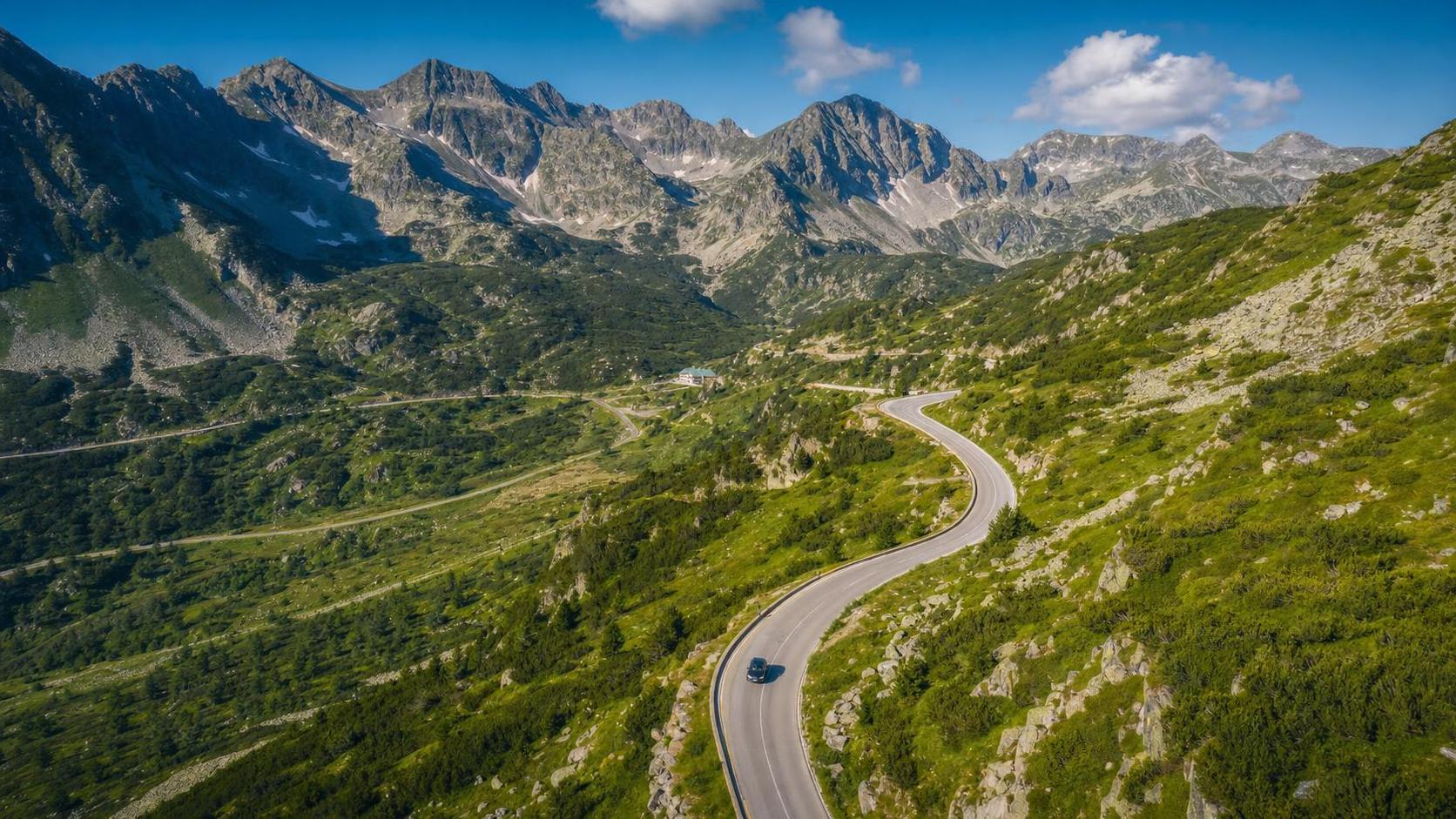
- Booking the smallest car for mountain trips. A compact city car is fine for Sofia and the coast, but if you are heading to Bansko, Borovets or the Rila Mountains, you will want at least a crossover with decent ground clearance.
- Assuming GPS covers everything. Mobile signal drops in the Pirin and Rhodope ranges. Download offline maps before you set off.
When to Book for the Best Rates
Prices in Bulgaria fluctuate heavily by season. July and August see rates jump by 40–60% compared to May or September. If you are visiting during the ski season, book at least four weeks ahead for Bansko and Borovets. For summer Black Sea trips, two to three weeks is usually enough.
One-way rentals between Sofia and Varna or Burgas are widely available but often carry a drop-off fee of €50–€100. If your itinerary is circular, returning the car to the same location is almost always cheaper.
Road Conditions Worth Knowing
Major routes such as the A1 to Plovdiv and the A2 to Varna are in excellent condition. Secondary roads vary. The drive from Plovdiv to Veliko Tarnovo is scenic but narrow in places. Mountain roads around Bansko and Smolyan are well paved but winding. In spring, melting snow can leave potholes on rural routes, so take it easy after heavy rain.
Related Destinations
Ready to plan your trip? Explore our guides to Sofia Airport car hire, driving in Bulgaria for EU tourists, Black Sea Coast summer road trips and Varna Airport car rental. For mountain adventures, see our tips on Bansko road trips and scenic routes through the Pirin range.
Ready to book? Visit our homepage for the best hire car deals.