

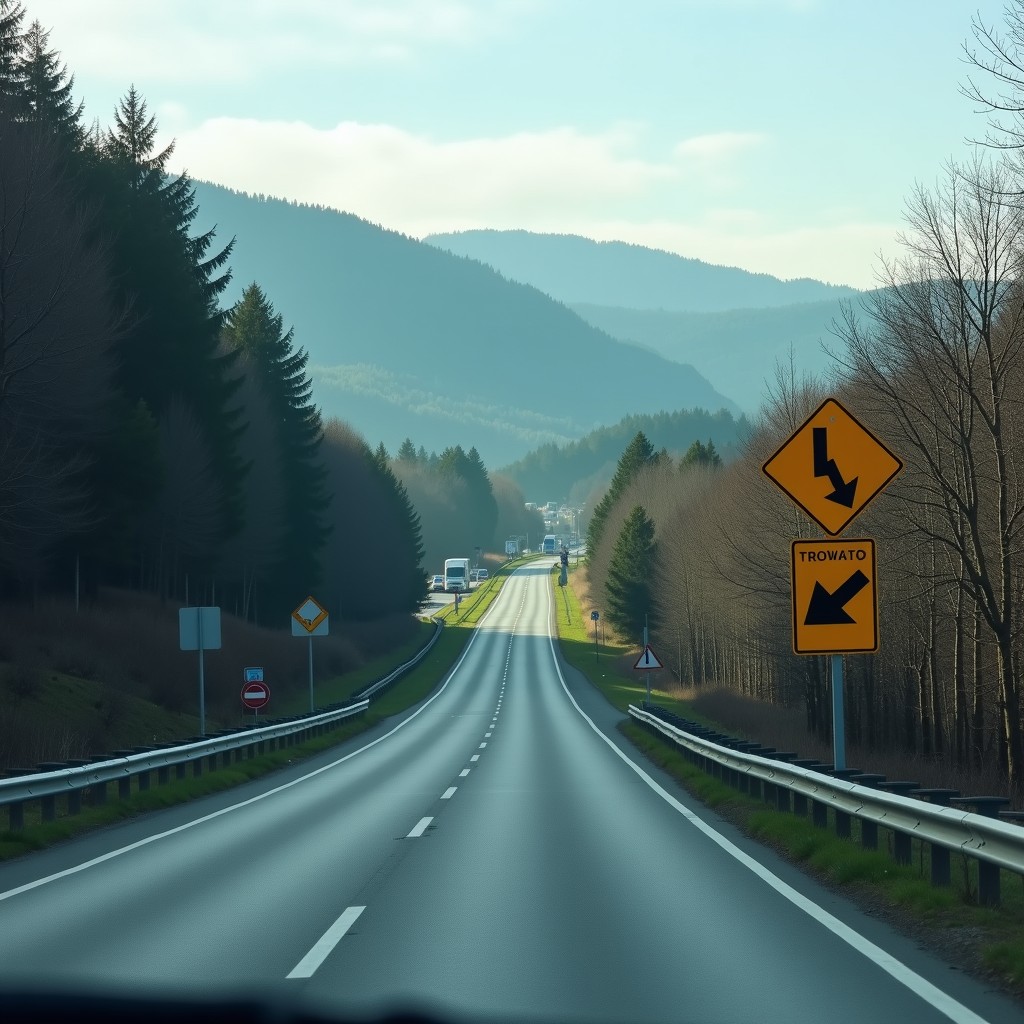
Driving in Bulgaria Tips for EU Tourists | From €10/day | BG Car Rental
Introduction to Driving in Bulgaria
Embarking on a road trip through Bulgaria is an unforgettable way to experience the country’s diverse landscapes, from the towering peaks of the Rila and Pirin mountains to the sun-drenched beaches of the Black Sea coast. As an EU tourist, navigating this beautiful Balkan nation by car offers unparalleled freedom to explore ancient ruins, charming villages, and vibrant cities at your own pace. However, driving in Bulgaria comes with its own unique set of rules, road conditions, and cultural quirks. Whether you are picking up your vehicle in the capital or diving straight into the coastal routes, this comprehensive guide will equip you with everything you need to know to drive safely, legally, and confidently on Bulgarian roads.
Driving Licence Requirements for EU Tourists
If you are a citizen of the European Union, you are in luck when it comes to driving legally in Bulgaria. EU driving licences are fully accepted and recognized across the country. You do not need an International Driving Permit (IDP) as long as you hold a valid, standard EU driving licence. Whether you are driving a compact car through the narrow streets of Plovdiv or an SUV through the Rhodope Mountains, your EU licence is all you need to get behind the wheel. Just ensure your licence is valid for the category of vehicle you intend to rent, and remember to always carry your licence alongside your passport and car rental agreement when driving.
Essential Road Rules and Speed Limits
Bulgaria follows standard European right-hand traffic, meaning you drive on the right side of the road and overtake on the left. Familiarizing yourself with the local speed limits is crucial to avoiding hefty on-the-spot fines. The general speed limits are strictly enforced and are as follows:
- 50 km/h: Built-up areas, cities, towns, and villages.
- 90 km/h: Outside built-up areas on rural roads and highways.
- 120 km/h: Motorways (avtomagistrali).
Speed limits are rigorously monitored by both fixed speed cameras and unmarked police cars. It is also mandatory to keep your headlights on at all times, day and night, year-round. Additionally, seatbelts must be worn by all passengers, and the blood alcohol concentration limit is strictly 0.05% for experienced drivers, and 0.00% for novice drivers. Our car rental vehicles are always maintained to the highest standards, but it is the driver’s responsibility to adhere to these local laws.
Navigating the Toll Vignette System
Unlike some European countries that rely on toll booths, Bulgaria uses an electronic vignette (e-vignette) system for its motorways. If you are driving on highways like the A1 (Trakiya), A2 (Hemus), or A3 (Struma), you must have a valid vignette. The good news is that purchasing an e-vignette is incredibly straightforward. You do not need a physical sticker for your windshield; instead, you can buy it online through the official Bulgarian Road Infrastructure Agency website before you even arrive. You simply enter your car rental vehicle’s registration plate number and pay via card. E-vignettes are available for 1 day, 3 days, 1 week, 1 month, or a year. Always ensure your vignette is active before hitting the motorway, as fines for non-compliance are steep and are automatically tracked via license plate scanners.
Parking in Sofia and Plovdiv
Finding parking in Bulgaria’s major cities can be a challenge if you aren’t prepared. Both Sofia and Plovdiv operate under a strictly regulated Blue Zone (Sinya Zona) parking system in their city centers.
Sofia: The Blue Zone operates from Monday to Friday, 08:00 to 20:00, and Saturday 08:00 to 14:00. You must pay for parking using the EasyPark app, via SMS, or at a nearby parking meter. There is also a Green Zone which is slightly further from the center but generally cheaper. On weekdays, Blue Zone spots are limited to a maximum of 2 hours, making them suitable for quick visits but not for full-day parking. For longer stays, look for designated paid parking lots or underground garages near major landmarks like NDK or Serdika Center.
Plovdiv: Similar to Sofia, the central areas operate under a Blue Zone system with payment required via SMS (sending your license plate to a designated short code) or through the EasyPark app. Always check the signs for zone hours and time limits. Never leave your car in a no-parking zone, as wheel clamping and towing are common and will result in a frustrating and expensive day.
Fuel Stations and Payment Methods
Fueling up in Bulgaria is generally straightforward. Gasoline is known as “benzin,” diesel as “dizel,” and LPG as “propan-butan” or simply “LPG.” You will find numerous gas stations along major highways and in urban areas, with the most common networks being Lukoil, OMV, EKO, and Shell. Fuel prices are competitive and comparable to the EU average. Most modern stations offer both self-service and full-service options. Payment by credit or debit card (Visa, Mastercard) is widely accepted at the pump and inside the station, though it is always wise to carry some Bulgarian Leva (BGN) for rural stations or in case of technical issues. Note that while 95-octane unleaded petrol is widely available, if your car rental requires premium fuel, be sure to check the pump labels carefully.
Decoding Road Signs in Cyrillic
One of the most unique aspects of driving in Bulgaria as an EU tourist is the alphabet. While major highway signs and directions to tourist hubs feature both Cyrillic and Latin scripts, once you venture into rural areas or smaller towns, you will encounter road signs entirely in Cyrillic. For your own sanity, we highly recommend studying the Cyrillic alphabet and key Bulgarian traffic phrases before your trip. Important words to know include: Стоп (Stop), Забранено (Forbidden/Prohibited), Движение направо (One way right), Ограничение (Limit), and Ремонт (Repair/Roadwork). Most crucially, navigation apps like Google Maps or Waze are absolute lifesavers here, as they display directions in Latin script and will guide you seamlessly even when physical signs look like a puzzle.
Border Crossings: Serbia, Greece, Turkey, and Romania
Bulgaria’s strategic location makes it a fantastic starting point for Balkan road trips. However, border crossing dynamics vary significantly depending on your destination:
- Serbia: Leaving Bulgaria via Kalotina or Strezimirovci is common, but be prepared for long wait times, especially during summer weekends. Serbia is outside the Schengen zone, so passport checks are thorough. Ensure your car rental agreement explicitly permits taking the vehicle into Serbia.
- Greece: The crossing at Kulata (near Blagoevgrad) or Ilinden is generally efficient. You are entering the Schengen area, so EU citizens usually pass through quickly.
- Turkey: Crossing via Kapitan Andreevo is the main route, but it can experience severe delays in peak season. Ensure you have the correct visa requirements sorted and that your car rental provider allows vehicles into Turkey.
- Romania: The Friendship Bridge at Ruse and the Danube Bridge at Vidin are the primary crossings. A fantastic new addition is the ferry route at Svishtov, which can save you a lot of time. Since Bulgaria is not yet in Schengen, passport controls are active for EU tourists.
Always confirm with your car rental provider that your contract allows cross-border travel, as restrictions may apply to certain countries.
What to Do in Case of an Accident
Even with the most careful planning, accidents can happen. If you are involved in a road incident in Bulgaria, it is important to stay calm and follow protocol. First and foremost, ensure the safety of all passengers and move to a secure location if possible. If there are injuries, immediately dial 112 for emergency medical services and the police. For minor accidents without injuries, you must still call the police (112) to file an official report; insurance companies will not process claims without a police protocol. Exchange details with the other driver, including names, addresses, phone numbers, and insurance details. Take extensive photos of the scene, damage, and both vehicles’ license plates. Finally, contact your car rental provider as soon as possible to inform them of the incident and to initiate the necessary insurance procedures.
Insurance Tips for Car Rental
When renting a car in Bulgaria, securing the right insurance coverage is paramount for a worry-free journey. While your personal travel insurance or credit card might offer some coverage, it is highly recommended to opt for a comprehensive car rental insurance policy. Look for policies that include a Collision Damage Waiver (CDW) with zero excess, as this will protect you from out-of-pocket expenses in the event of damage or theft. Additionally, consider Third-Party Liability insurance to cover damages to other vehicles or property. We believe in absolute transparency: with our car rental options, you can enjoy the peace of mind that comes with no hidden fees and free cancellation, allowing you to adjust your travel plans without financial penalties. Always read the terms carefully and inspect the vehicle thoroughly for existing scratches before driving off the lot.
Related Destinations
Ready to start your Bulgarian adventure? Explore our top car rental destinations to find the perfect vehicle for your journey:
- Car Rental Sofia – Pick up your wheels right at the airport and dive into the vibrant capital.
- Car Rental Plovdiv – Explore the ancient hills and nearby Rhodope Mountains at your own pace.
- Car Rental Varna – Hit the Black Sea coast and discover Bulgaria’s beautiful northern beaches.
- Car Rental Burgas – Your gateway to the sunny southern coastline and the Strandzha nature reserve.
Ready to book? Visit our homepage for the best hire car deals.