

Driving in Sofia: Essential Tips for First-Time Car Hire Visitors
What to Expect When Driving in Sofia for the First Time
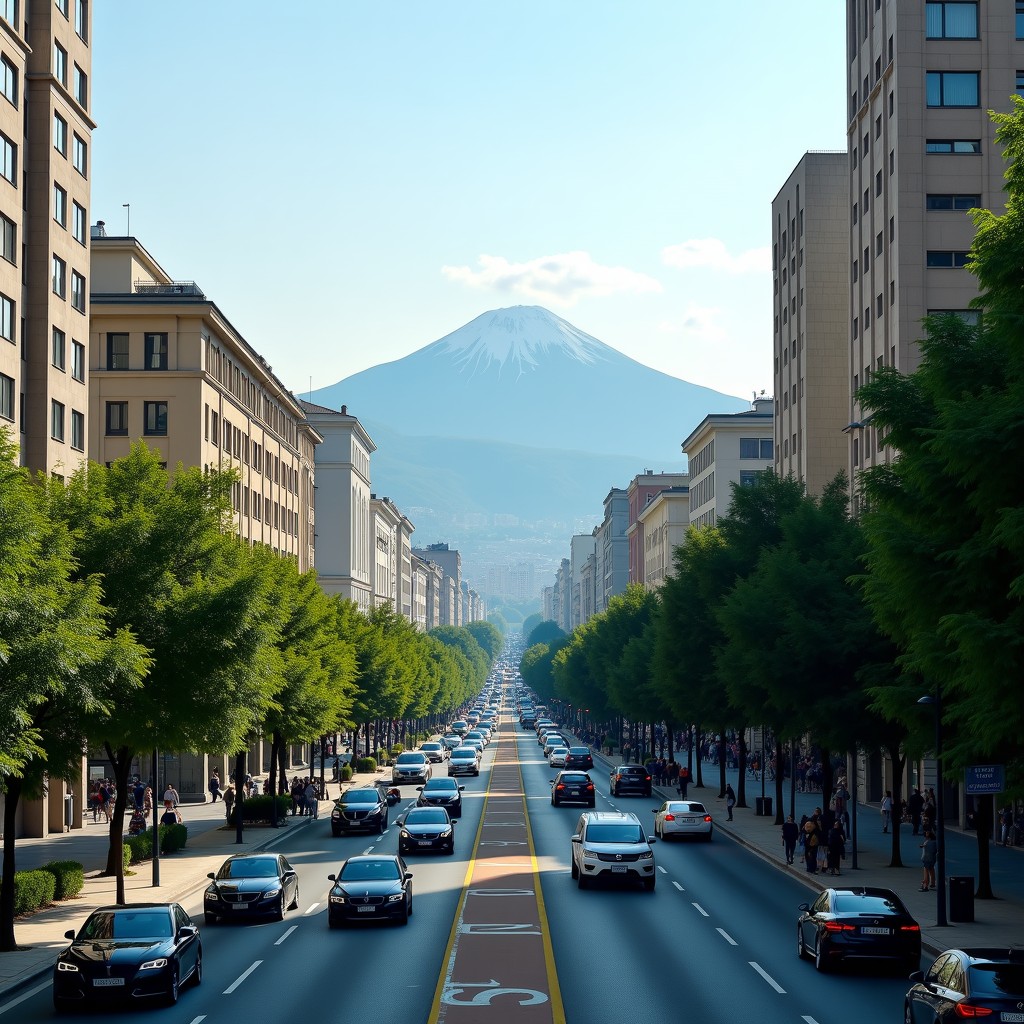
Sofia is not Paris or Rome. The traffic is lighter, the roads are wider, and Bulgarians drive with a relaxed confidence that can surprise first-time visitors. If you have just picked up a hire car at Sofia Airport or collected the keys from a downtown office, this guide will save you the usual newcomer stress. The Bulgarian capital sits in a wide valley at the foot of Vitosha Mountain, which means most routes into and out of the city are straightforward once you understand the basic layout.
The city centre follows a roughly grid-like pattern around the intersection of Tsarigradsko Shose and Bulgaria Boulevard. Boulevard Vitosha runs north-south through the heart of the shopping district, while Patriarch Evtimiy Square acts as a natural anchor point. GPS works well here, but the real challenge is not navigation — it is parking, speed cameras, and understanding how Bulgarian drivers interpret traffic rules.
Ring Roads and Main Arteries
Sofia has two ring roads that matter: the Inner Ring Road (Okolovrusten Pat) and the Sofia Northern Speed Tangent, which is the faster bypass for cross-town trips. The Inner Ring is useful for connecting neighbourhoods like Lozenets, Hipodruma, and Nadezhda without cutting through the centre. The Northern Tangent, on the other hand, is the route you want when driving from Sofia Airport towards the Plovdiv motorway or heading up to Varna.
Tsarigradsko Shose is the main east-west artery. It starts near the National Palace of Culture and runs straight past the Central Military Hospital, through the business district around The Mall, and continues all the way to Trakia Motorway if you are heading south towards Plovdiv. During rush hour, expect heavy traffic between 8:00 and 9:30 in the morning and again from 17:30 to 19:00. The worst pinch point is the intersection with Bulgaria Boulevard near Hotel Marinela.
Parking: Blue, Green, and Where to Actually Leave the Car
Sofia uses a colour-coded parking zone system. The city centre is divided into Blue Zone and Green Zone areas. Blue Zone parking costs 2 leva per hour and is enforced from 8:30 to 19:30 on weekdays. Green Zone is 1 lev per hour with the same hours. You pay via SMS or the mobile app Sofia Parking. Do not assume free parking on weekends — some streets still enforce Saturday restrictions, especially around Vitosha Boulevard and Graf Ignatiev Street.
Underground car parks are the safest option for overnight stays. The National Palace of Culture underground garage is reliable and reasonably priced. Park Mall Sofia and Paradise Center both have large parking structures if you are staying in the western or southern parts of the city. Street parking in residential areas like Doctors’ Memorial or Gotse Delchev is generally free after 19:30 and all day Sunday, but always check the local signs because Sofia municipality changes rules without much warning.
One local tip: if you are visiting the Alexander Nevsky Cathedral area, the parking under the National Assembly building, just south of the cathedral, is often overlooked by tourists and has reasonable hourly rates.
Traffic Rules That Actually Matter
Bulgaria drives on the right, overtakes on the left, and requires dipped headlights during the day all year round. This last rule catches out many visitors. Your headlights must be on from the moment you start the engine, even in bright July sunshine. Police do enforce this, and the fine is 50 leva on the spot.
Speed limits in Sofia are 50 km/h in built-up areas, 80 km/h on the ring roads, and 120 km/h on motorways. There are active speed cameras on Tsarigradsko Shose near Business Park Sofia, on Bulgaria Boulevard near the Ring Road junction, and on the Northern Tangent near the Lomsko Shose exit. The cameras are clearly signed, but the signs appear only a few hundred metres before the camera. Waze and Google Maps both mark camera locations accurately.
Seatbelts are mandatory for all passengers. The drink-drive limit is 0.5 grams per litre of blood, which is roughly one small beer for an average adult. Bulgarian police run random breath tests at roundabouts and motorway slip roads, especially on Friday and Saturday evenings. It is not worth the risk.
One rule that surprises foreigners: if a pedestrian has stepped onto a zebra crossing, you must stop completely. Bulgarians are assertive pedestrians and will step out without much hesitation. Drivers who fail to stop face an immediate fine and possible licence confiscation.
Navigating the City Centre
The absolute centre around Vitosha Boulevard is pedestrianised between 11:00 and 19:00 on weekends. You cannot drive through. The best approach is to use Patriarch Evtimiy Square as a drop-off point and walk the last few minutes. If you are staying in a hotel on Vitosha itself, arrange garage parking in advance — very few hotels have their own spaces.
Trams have priority and run down the middle of many main roads. Do not block tram tracks. If you hear a tram bell, move. The penalties are harsh and the tram driver will not wait politely.
Sofia is one of the few European capitals where you can still find working trolleybus wires overhead. Pay attention to the height restrictions in underground garages — some older car parks are too low for tall SUVs or vans.
Tolls and Vignettes
Bulgaria uses an electronic vignette system for motorways. If your hire car does not already have a valid e-vignette, you must buy one before using the motorways. The official site is bgtoll.bg and you need the vehicle registration number. A weekend vignette costs 10 leva, a week costs 15 leva, and a month is 30 leva. The fine for driving without one is 300 leva.
If you are only driving within Sofia itself, you do not need a vignette. The ring roads and city streets are exempt. You only need it when you head out onto the A1 towards Plovdiv, the A3 towards the Black Sea, or the A6 towards Serbia.
Airport Pickup and Drop-off Practicalities
Sofia Airport Terminal 2 has a dedicated car rental zone on the ground floor of the parking building directly opposite the arrivals hall. Most major suppliers have desks there. Terminal 1, used by some low-cost carriers, is older and the rental area is smaller. If your flight lands at Terminal 1, confirm the exact pickup location with your supplier before you arrive.
The drive from Terminal 2 to the city centre takes 15 to 25 minutes depending on traffic. The fastest route is via Brussels Boulevard and Tsarigradsko Shose. Avoid the old route through Iskar and Mladost during rush hour — it can add 20 minutes for no reason.
When returning the car, fill up at the Shell or OMV stations on Brussels Boulevard near the airport. Petrol is cheaper than at the airport forecourt and the saving easily covers a coffee.
Day Trips Worth the Drive
Sofia is an excellent base for exploring Bulgaria by car. The Rila Monastery is 120 kilometres south and the drive takes about two hours through beautiful mountain scenery. Plovdiv, the country’s second city, is even closer — 145 kilometres on the A1, roughly 90 minutes. For a longer trip, the Black Sea coast is about five hours on the A2 and A4 motorways.
If you prefer a shorter outing, the Boyana Church UNESCO site is only 8 kilometres from the centre and sits at the base of Vitosha Mountain. The road is narrow and steep in places but manageable in any standard hire car. The church closes at 17:00 and the adjacent National History Museum is worth an extra hour.
Final Practical Notes
Sofia drivers use their horns more than northern Europeans. A short beep usually means “the light is green and I am waiting” rather than genuine aggression. Roundabouts are common and the rule is simple: vehicles already on the roundabout have priority. Indicators are optional in practice, so watch the wheels, not the blinkers.
Fuel stations are plentiful. OMV, Shell, Lukoil, and Petrol are the main chains. Unleaded 95 is standard. Most stations accept card payments, but it is worth carrying some cash for rural stops. Station staff usually fill the tank for you — self-service is rare outside the main cities.
The emergency number is 112. English-speaking operators are available. For breakdowns, most rental agreements include roadside assistance — keep the supplier’s number in your phone before you leave the airport.
Related Destinations
Looking for more driving inspiration? Also explore our guides to car hire in Plovdiv, the Sofia to Varna coastal drive, and car hire at Varna Airport for your Black Sea holiday. If you are heading to the mountains, our Sofia to Bansko ski trip guide covers winter driving essentials.
Ready to book? Visit our homepage for the best hire car deals.