

Sofia to Bansko Drive: Complete Ski Trip Guide
Sofia to Bansko by Car: Your Ski Trip Cheat Sheet
When I drove from Sofia to Bansko for the first time, I expected a stressful two-hour mountain ordeal. What I got was a surprisingly manageable 134km journey through some of Bulgaria’s prettiest countryside, ending at a ski resort that punches well above its weight in the value-for-money stakes. If you’re planning a Bulgarian ski trip and weighing up whether to hire a car or rely on transfers, let me walk you through what I learned over multiple winters on this route.
{‘h2’: ‘The Route: Sofia to Bansko in Detail’, ‘content’: “The drive from Sofia to Bansko covers 134km and takes about 2 hours in good conditions. It’s essentially one road with good signage, so getting lost would take effort.\n\n**From Sofia Airport or city centre**, get onto the A1 Trakia Motorway heading east towards Plovdiv. That lasts about 10-15km before you peel off onto Route 1 (E79) heading south. This is where the mountains start appearing on your left.\n\n**Route 1 to Dupnitsa** — About 40km of decent road, mostly straight, passing through small towns. Nothing complicated here.\n\n**From Dupnitsa to Bansko** — The road climbs into the Rila Mountains. This is where winter conditions matter. The route passes the famous Rila Monastery turn-off (worth a summer detour) and climbs over a pass at around 1,000m before descending into the Razlog valley. Bansko sits at the foot of the Pirin Mountains, and you’ll see the ski runs on your right as you approach.\n\n**Key distances:**\n- Sofia centre to motorway exit: 15km\n- Motorway to Dupnitsa: 40km\n- Dupnitsa to Bansko: 80km\n- Total: 134-140km depending on your Sofia starting point\n\n**Driving time:** 1.5-2.5 hours depending on conditions. I’ve done it in 1 hour 40 minutes in summer, but 2.5 hours in heavy snow is normal.”}
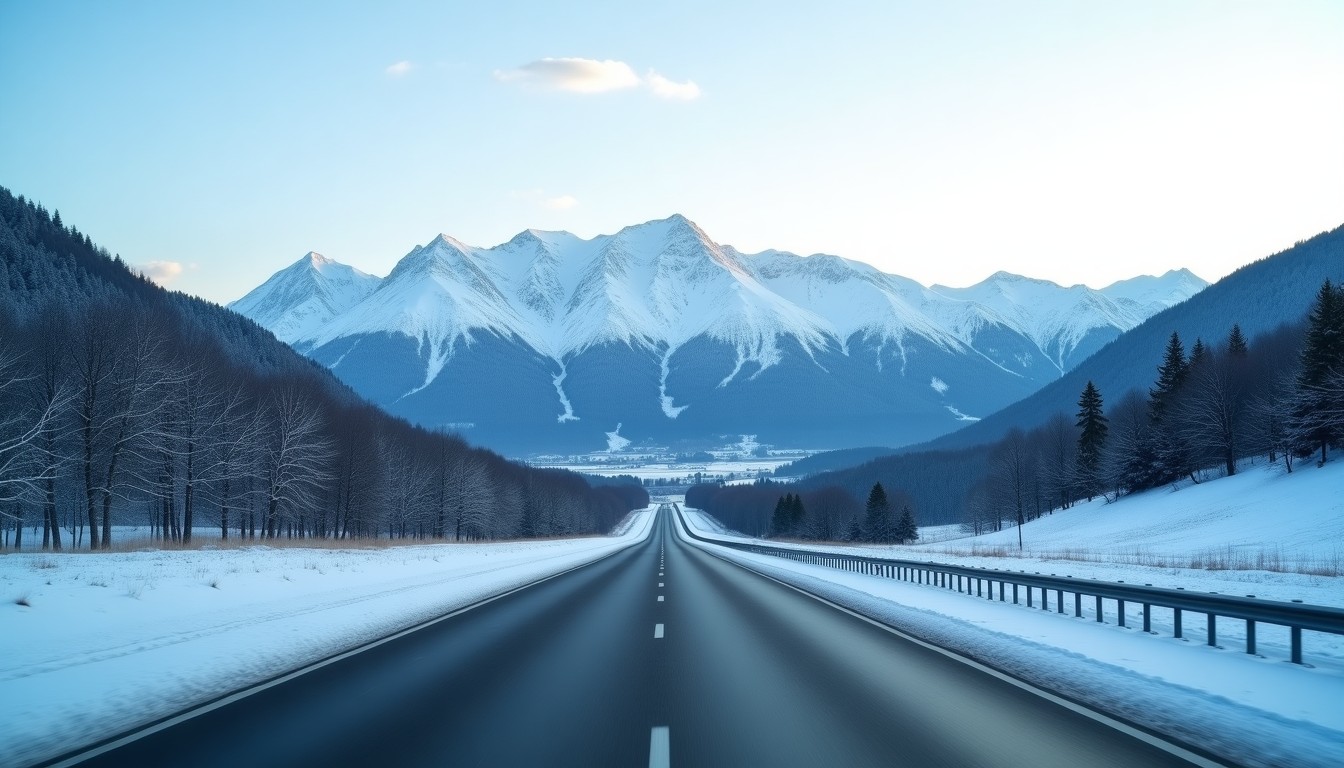
{‘h2’: ‘Winter Driving: The Mountain Pass You Need to Respect’, ‘content’: “Between Dupnitsa and Bansko, the road climbs about 600m elevation. In summer, it’s a scenic drive. In winter, it demands respect.\n\n**Snow and ice** — The pass between Dupnitsa and the Razlog valley does accumulate snow. The road is ploughed regularly, but morning drive times (6-8am) can see compacted ice from overnight traffic. If you’re driving up for a day trip, late morning is easier.\n\n**Chains or winter tyres** — Not legally required for Bulgarian-registered cars, but I’d strongly recommend winter tyres on your rental. Most Bulgarian rental companies equip cars appropriately in winter. If you’re arriving in a big freeze, ask specifically about tyres.\n\n**Visibility** — The ski rush (Saturday mornings 7-10am) can see heavy traffic. Add snow and it gets slow. Allow extra time on peak weekends.\n\n**Road conditions hotline** — Bulgarian roads department at 112 provides updates, but honestly, just check Google Maps traffic. It shows real-time slowing on the pass.\n\n**My advice** — Drive smooth and steady. Don’t rush the pass. The views are better when you’re not white-knuckling every corner. Local drivers know the road; you’re the one learning it.”}
{‘h2’: ‘Bansko Ski Season: When to Go’, ‘content’: “The official ski season runs from mid-December to early April. In practice, I’ve seen decent snow from early December and skiing into late April on good years.\n\n**December to January** — Peak season, highest prices, most crowded. The resort is fully open. Christmas and New Year see the biggest crowds and prices. January is colder but quieter after the holidays.\n\n**February** — Probably the sweet spot. Good snow, moderate crowds (except Bulgarian national holidays in late Feb/early March), full resort operation.\n\n**March and early April** — Longer days, warmer temperatures (-5 to +5°C typical), softer snow. Bargain prices for accommodation. Some higher runs might close by early April, but you’ll still get plenty of terrain. My favourite time to ski Bansko, honestly.\n\n**Current lift status** — Check bansko.net or the official Bansko app before you travel. Snow conditions vary year to year.\n\n**January issue to know** — January can see very cold temperatures (-15 to -20°C). The gondola still runs, but wind sometimes closes the top lifts. If you’re a beginner, this isn’t ideal. February onwards is more reliable for learners.”}
{‘h2’: ‘What to Pack for a Bansko Ski Trip by Car’, ‘content’: “The advantage of driving is you’re not limited by airline baggage allowances. But there are car-specific considerations:\n\n**For the car:**\n- Scrapers and de-icer (essential for early mornings)\n- Phone mount for GPS navigation\n- Sunglasses — the glare off snow on the drive can be brutal\n\n**For skiing:**\n- Your own boots if you have them — rental boots work, but nothing beats your own fit\n- Helmets — Bansko doesn’t mandate them, but I’d recommend one on busy weekends\n- Layers — temperatures swing dramatically from bottom gondola to top of Todorka peak\n\n**For Bansko town:**\n- Walking boots with good grip — the old town streets are cobbled and icy\n- Swimwear for the hotel spa (most mid-range hotels have pools and saunas)\n\n**What NOT to pack:**\n- Skis/board if you’re a beginner — rentals are decent quality and included in most packages\n- Your heaviest jacket for driving — wear layers instead; you’ll overheat in the car\n\nIf you’re renting a car for the trip, the 134km drive means you can bring everything you need without the usual travel compromises.”}
{‘h2’: ‘Car Rental vs Transfers: The Real Comparison’, ‘content’: “Every ski forum has a debate about hiring a car versus booking transfers. Let me break it down honestly.\n\n**Transfers from Sofia Airport to Bansko:**\n- Cost: €40-60 per person each way in peak season\n- Time: 2-2.5 hours (same as driving)\n- Convenience: Door-to-door, no navigation needed\n- Flexibility: None — you’re locked into someone else’s schedule\n\n**Car hire from Sofia:**\n- Cost: €20-40 per day in winter (varies by vehicle type and duration)\n- Fuel for the round trip: About €25-35\n- Convenience: Navigate yourself, park in Bansko\n- Flexibility: Total — stop for groceries, detour to Rila Monastery, leave when you want, return early if weather turns bad\n\n**The math:**\n\nSolo traveller — Transfer wins on simplicity, though it’ll cost more.\n\nTwo people — Car is cheaper when you factor in the transfer cost x 2, plus you get grocery shopping convenience.\n\nGroup of 3+ — Car hire is significantly cheaper and gives you mobility in Bansko.\n\n**The hidden advantage of a car:** Bansko itself spreads out. The gondola base is a 15-minute walk from the old town. Many good value hotels are a 10-minute drive from the gondola. With a car, you can stay further from the slopes, pay less for accommodation, and drive to the lift each morning. The savings on hotels often cover the rental cost.\n\n**Parking in Bansko:** Free parking near the gondola exists but fills by 8am on peak weekends. Hotels often have parking; some charge a small fee (5-10 BGN per night). If your hotel doesn’t have parking, expect to pay for it.\n\n**My verdict:** For any trip longer than 3 days, or any group of 2+ people, a rental car from Sofia usually wins. The convenience of grocery runs, restaurant choices outside the tourist centre, and schedule flexibility outweighs the minor mountain pass driving.”}
{‘h2’: ‘Bansko Town Tips for Skiers’, ‘content’: “Once you’ve driven the 134km and parked, here’s what I’ve learned about the town itself.\n\n**The gondola queue:** Arrive by 7:45am in peak season or expect a 20-40 minute queue. The gondola runs 8am-5pm typically. Upgrades are available for early start passes.\n\n**Eating in Bansko:** The mehana (taverna) scene is excellent. Look for places serving slow-cooked kapama (meat stew) or lamb cooked in a traditional oven. Prices are reasonable — 30-50 BGN (€15-25) for a full dinner with drinks. The tourist strip near the gondola is pricier. Walk 10 minutes into the old town for better value.\n\n**Apres-ski:** Bansko has transformed from sleepy village to full ski resort. There’s a pub street near the gondola with bars and clubs. Irish pub, après bars, late-night clubs — you’re covered. It’s not Val d’Isère, but it’s fun, and drinks cost a third of what you’d pay in the Alps.\n\n**Gear rental:** If you don’t have your own, rental shops line the streets near the gondola. Prices are standard across most (50-60 BGN/day for skis, boots, poles). Your hotel usually has a partnership with a specific shop — not necessarily better prices, but convenience for storing gear overnight.\n\n**Off-slope alternatives:** If someone in your group doesn’t ski, the town has enough to fill a day — thermal pools, old town walking tours, mehana food tours. A car makes these easier — the thermal pools are a 10-minute drive from the gondola.”}
{‘h2’: ‘Booking Your Sofia to Bansko Ski Trip’, ‘content’: “With car hire from Sofia Airport or the city centre, your Bansko ski trip starts on your terms. No waiting for transfer shuttles, no working around someone else’s schedule, and the freedom to explore the region beyond just the slopes.\n\nThe drive itself is straightforward — the 134km route is well-marked and the mountain pass, while requiring care in winter, is manageable for confident drivers. The views as you descend into the Razlog valley towards Bansko are genuinely spectacular.\n\nFor car hire in Bulgaria, compare options and book online with no hidden fees. Winter vehicles come equipped for the conditions, and you can arrange pickup directly from Sofia Airport to be driving within an hour of landing.\n\nPlanning a broader Balkan ski adventure? Ski country isn’t limited to Bulgaria — Montenegro offers similar value and terrain. If you’re exploring multiple countries, you might find helpful guides and car hire options at rentalcarsmontenegro.com for the next leg of your trip.”}
{‘question’: ‘How long does it take to drive from Sofia to Bansko?’, ‘answer’: “The drive from Sofia to Bansko covers 134km and takes 1.5 to 2.5 hours depending on traffic and weather. In summer with light traffic, you can do it in 1 hour 40 minutes. In winter during the Saturday morning ski rush, allow 2.5 hours. The mountain pass between Dupnitsa and Razlog can slow down when there’s snow.”}
{‘question’: ‘Do I need winter tyres to drive to Bansko in ski season?’, ‘answer’: “Winter tyres aren’t legally required for Bulgarian-registered rental cars, but I strongly recommend them. Most Bulgarian rental companies switch to winter tyres from November through March. When booking, ask specifically about tyre type. The mountain pass can have compacted snow and ice in January and February.”}
{‘question’: ‘Is it cheaper to rent a car or book transfers to Bansko?’, ‘answer’: ‘For groups of two or more, car hire from Sofia is usually cheaper than transfers, which cost €40-60 per person each way. A rental car costs €20-40 per day in winter, plus about €30 fuel for the round trip. The car also gives you mobility in Bansko for groceries and exploring. For solo travellers, transfers are simpler but cost more.’}
{‘question’: ‘Where can I park in Bansko?’, ‘answer’: “Most hotels offer parking, sometimes for a small fee (5-10 BGN per night). Free parking near the gondola fills by 8am on peak weekends. If your hotel doesn’t have parking, expect to pay for a spot. Having a car lets you stay further from the gondola where hotels are cheaper and parking is easier.”}