

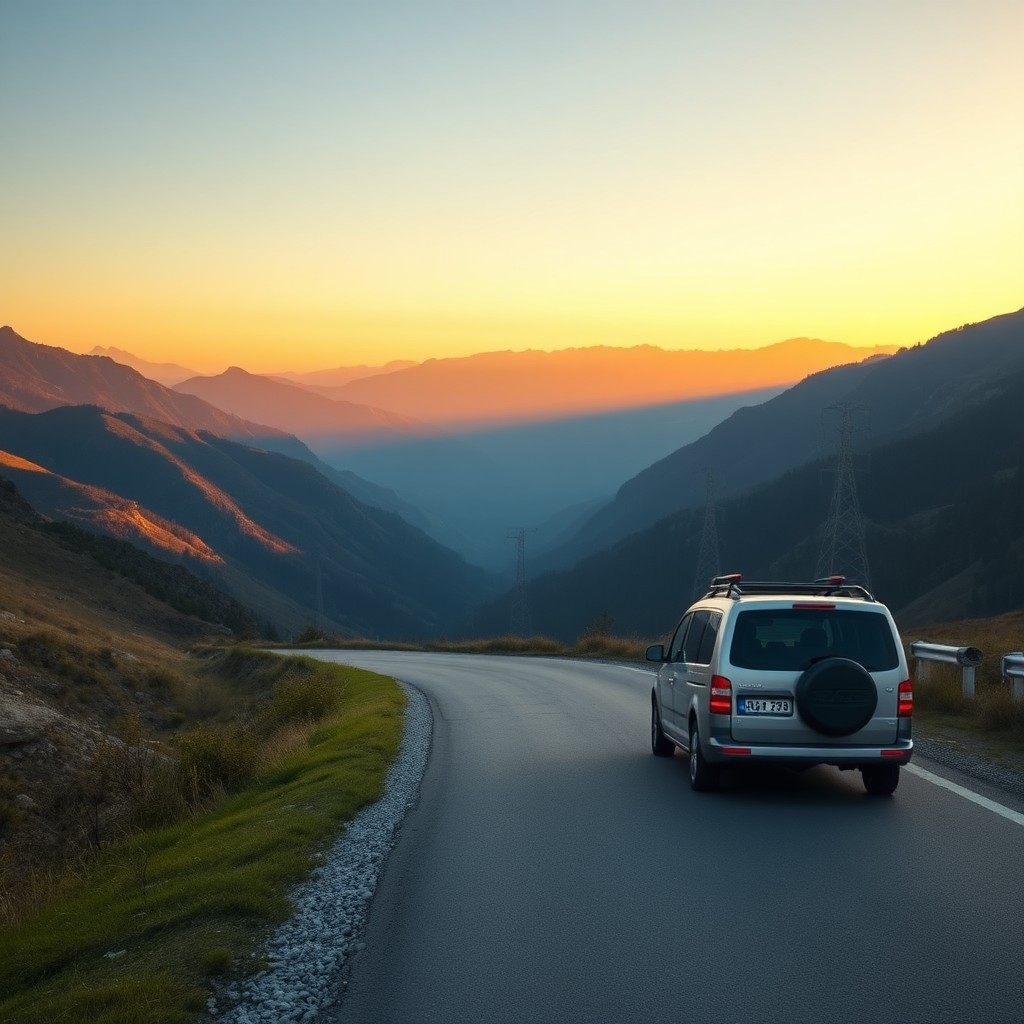
Driving in Bulgaria: What Tourists Need to Know Before They Hit the Road
Driving in Bulgaria is easier than you might think. The roads are decent, the scenery is varied, and having a car gives you access to places that public transport simply can’t reach. That said, a few things work differently here compared to Western Europe, and knowing what to expect makes the difference between a smooth road trip and a stressful one. This guide covers the practical stuff: speed limits, that vignette sticker you’ll need, what happens if police stop you, and how to handle Bulgarian driving culture. Think of it as the advice you’d get from a local friend before picking up your rental car.
Speed Limits and Road Rules
Bulgaria uses kilometres per hour, and the speed limits are straightforward once you know them. In built-up areas, the limit is 50 km/h. This applies in cities, towns, and villages. Watch for signs marking the start and end of settlements. On open roads outside towns, the limit is 90 km/h. On motorways like the A1 (Trakia) and A2 (Hemus), you can drive up to 130 km/h. These limits apply in normal conditions. In rain, snow, or fog, you should reduce your speed accordingly. Speed cameras exist, particularly on motorways and near cities. They’re usually signposted, but not always. The fine for speeding starts at around 50 leva (25 euros) for minor offences and increases significantly for higher speeds over the limit. Seatbelts are mandatory for all passengers, front and back. Children under 12 or under 150cm must use appropriate child seats. Using a mobile phone while driving is illegal unless you have a hands-free system. Blood alcohol limit is 0.5 per mille, which is stricter than the UK but similar to most of Europe. The safest approach is zero alcohol if you’re driving.
Vignettes: The Motorway Toll System
If you plan to drive on Bulgarian motorways, you need a vignette. This is an electronic or physical sticker that you purchase before or when entering motorway sections. The system is similar to other Eastern European countries like Czech Republic or Slovakia. Vignette prices in 2026 are approximately 15 euros for a week, 30 euros for a month, and 75 euros for a year. You can buy them at most petrol stations near motorways, at post offices, or online through the official Bulgarian vignette website. Make sure you have proof of purchase, either a receipt or the electronic confirmation. Most rental cars in Bulgaria already have a vignette, but always check with your rental company. If your car doesn’t have one and you drive on a motorway, you risk a fine. The fine for driving without a vignette is around 300 leva (150 euros), so it’s worth the relatively small cost to stay legal. Motorway signs clearly indicate where vignettes are required. National roads and smaller routes don’t require a vignette, so if you’re only driving locally or on minor roads, you might not need one.
Winter Driving Requirements
If you’re visiting Bulgaria between November and March, winter driving rules apply. From November 15 to March 15, all cars must be equipped with winter tyres or carry snow chains. This isn’t optional; it’s the law. Winter tyres must have a minimum tread depth of 4mm. Most rental cars will already have them fitted during winter months, but confirm this when you pick up your car. If you’re driving your own vehicle, make sure your tyres meet the requirements before crossing the border. Snow chains are only required in certain mountainous areas when signs indicate. These areas include routes through the Balkan Mountains, Rila, and Pirin. If you’re planning a ski trip to Bansko or Borovets, chains might be necessary depending on conditions. Carry them in your boot just in case. Bulgarian winters can be harsh, particularly in the mountains. Temperatures regularly drop below freezing, and snowfall is common. Check weather forecasts before long drives, especially if you’re heading to mountain areas. The A1 motorway is usually cleared quickly, but smaller roads can remain snow-covered for days after heavy snowfall.
Fuel, Parking, and Local Driving Culture
Petrol stations are plentiful throughout Bulgaria. Unleaded 95 and 98 are the most common fuel types, and diesel is widely available. Brands like Shell, OMV, Lukoil, and Eko operate across the country. Prices are generally lower than in Western Europe, typically around 1.50 to 1.80 leva per litre (0.75 to 0.90 euros). Most stations accept credit cards, but carrying some cash is wise, especially in rural areas. Payment terminals at pumps are becoming more common, but not universal. Parking in cities can be challenging. In Sofia, most central areas use a paid parking zone system. You pay via SMS, a mobile app, or at street machines. An hour typically costs 2 to 3 leva. Look for blue zone signs indicating paid parking, and check time limits. Parking violations can result in a wheel clamp or fine. Bulgarian driving culture takes some getting used to. Local drivers can be aggressive, particularly on motorways. Overtaking on the right is common despite being illegal. Tailgating happens. Flashing headlights usually means the driver behind wants you to move over, not that they’re giving way. Stay calm, stick to the right lane on motorways unless overtaking, and don’t feel pressured to drive faster than you’re comfortable with. In rural areas, watch out for potholes, especially on secondary roads. Stray dogs and livestock sometimes wander onto roads. Drive cautiously through villages, as pedestrians may step into the road unexpectedly.
Cta
Driving in Bulgaria opens up some of Europe’s most underrated landscapes, from the Black Sea coast to the Rila and Pirin mountains. With a bit of preparation and the right attitude towards local driving habits, you’ll have a great time exploring. For reliable car hire with clear pricing and good insurance options, check out bgcarrental.com before you travel. And if you’re planning to explore beyond Bulgaria, our sister sites cover car hire across the Balkans including Montenegro and beyond.