

Top Bansko Road Trips | Best Scenic Drives in the Pirin Mountains | BG Car Rental
Top Bansko Road Trips — Best Scenic Drives in the Pirin Mountains
Bansko sits at the foot of the Pirin Mountains, a protected mountain region with granite peaks, glacial lakes, and pine forest, and having a car here changes everything. This is not a place for bus timetables. The real Bansko — the hot springs villages, the hidden monasteries, the ridgeline viewpoints — lies just beyond the town in every direction. Whether you’re visiting in winter for the skiing or in summer for the hiking, the best days are the ones where you drive into the mountains with no particular plan and see what you find. These are the best road trips from Bansko, with real routes, real times, and the details you need to make them happen.
1. Bansko to Dobrinishte — Hot Springs and Mountain Meadows
The shortest and most relaxing drive from Bansko is the 10-kilometre route to Dobrinishte, the village immediately south of Bansko at the base of the Pirin range. On paper it’s a quick trip — 15 minutes on a well-maintained road. In practice, people end up spending an entire day there, and it’s easy to see why. Dobrinishte is famous for its natural mineral hot springs, which have been used since Roman times and are still the main reason Bulgarians come here. The water runs at around 30°C from several springs dotted around the village and there are public baths where you can soak for next to nothing.
But Dobrinishte is more than hot springs. The village is the starting point for the hiking trail to Bezbog Hut and Bezbog Lake, one of the clearest alpine lakes in the Pirin range. The chairlift from Dobrinishte takes you up to the hut in about 20 minutes, and from there it’s an easy 45-minute walk to the lake. In summer, the meadows around Bezbog are carpeted with wildflowers — edelweiss, gentians, and alpine poppies. In autumn, the dwarf pines turn gold and the lake reflects the surrounding peaks like a mirror. It’s a different world from Bansko town and worth the drive even if you don’t walk further than the chairlift station.
Drive time: 15 minutes on the road to Gotse Delchev. Parking in Dobrinishte is straightforward — there’s a large car park at the chairlift station. Best time to visit: summer (June–September) for hiking and wildflowers, or winter if you want to combine the hot springs with a day off the ski slopes.
2. Bansko to Gotse Delchev and the Belasitsa Range
If you want a longer day out with some genuine Bulgarian countryside, head south from Bansko on the road through Dobrinishte toward Gotse Delchev. This is a 50-kilometre drive through the Mesta River valley, passing through small towns like Garmen and Kovachevitsa. The road is good — not motorway quality but perfectly fine for a normal car — and the scenery is some of the best in southwestern Bulgaria. The Mesta River runs alongside the road for much of the route, and the valley is flanked by the Pirin mountains on your left and the Belasitsa range on your right.
Kovachevitsa is the real highlight on this route. It’s a village of stone houses with heavy slate roofs, built in the distinctive Rhodopean style, and it sits on a hillside looking down the valley. A few of the houses are open to visitors and there’s a small museum in the village centre. The architecture here is unlike anything you’ll see on the Black Sea coast — it’s pure mountain Bulgaria, built for long winters and steep terrain. Park at the bottom of the village and walk up; the streets are narrow and steep and you won’t get a car through the centre.
Gotse Delchev itself is a small regional town with a decent central square, a few cafes, and a surprisingly good market on Saturday mornings. If you’re heading further south, the Greek border at Ilinden–Exochi is about 30 minutes beyond Gotse Delchev, and from there you can continue into northern Greece toward Drama and Kavala. But for most visitors, Gotse Delchev makes a good turning point — have lunch, wander the market if it’s Saturday, and drive back to Bansko the same way.
Drive time: approximately 1 hour 15 minutes to Gotse Delchev, 1 hour 45 minutes if you stop at Kovachevitsa. Road conditions: good, but narrow in places. Take it easy on the bends — Bulgarian drivers know these roads and tend to overtake on blind corners.
3. Bansko to Rila Monastery — Bulgaria’s Most Famous Detour
No list of road trips from Bansko is complete without Rila Monastery, and while it’s not the closest drive, it is the most important. Rila Monastery is Bulgaria’s spiritual heart, a thousand-year-old monastery complex in a steep forested valley in the Rila Mountains, about 90 kilometres northeast of Bansko. The journey takes you through the Predela pass between the Pirin and Rila ranges, a high mountain crossing with long forested sections that in itself makes the drive worthwhile.
The road from Bansko to Predela is dramatic. You climb out of the Bansko basin through switchbacks and pine forest, crest the pass at around 1,140 metres, and descend into the Rila valley with the highest peaks of the Rila range visible ahead. On a clear day you can see Musala, Bulgaria’s highest mountain at 2,925 metres. In winter, the pass can be snow-covered and chains may be needed. In summer, it is a clear, open mountain drive that takes about 45 minutes to the monastery from Bansko.
Rila Monastery itself needs no introduction. The main church, with its black-and-white striped stone facade and riot of colour inside, is one of the most photographed buildings in the Balkans. The monastery is still active — you’ll see monks in black robes walking the cloisters — and the atmosphere is serious and quiet despite the tourists. There are public toilets, a large car park, and a few cafes nearby. Dress modestly if you’re entering the church: no shorts, no bare shoulders.
Drive time: approximately 1 hour 45 minutes round trip from Bansko. Road conditions: good to Predela, then decent two-lane road to the monastery. Parking: large car park at the monastery entrance, often full on weekends — arrive before 10 am or after 3 pm for a space.
4. Bansko to Sandanski — Wine, Sunshine, and Roman Ruins
Sandanski is southwestern Bulgaria’s warmest town, a place with over 2,700 hours of sunshine a year, a mild winter climate, and more mineral springs than Bansko itself. The drive from Bansko is about 60 kilometres through the Struma River valley, a wide, fertile valley with vineyards, orchards, and the kind of light that makes you understand why the Thracians settled here two and a half thousand years ago.
Sandanski’s claim to fame is twofold: wine and antiquity. The surrounding hills produce some of Bulgaria’s best red wines — the Struma Valley is recognised as a distinct wine region — and there are several wineries within easy driving distance of the town where you can taste and buy direct. The town also has one of the best-preserved Roman sites in Bulgaria: the Episcopal Basilica, a large early Christian church complex with original mosaic floors still in place, located right in the town centre.
The other reason to drive to Sandanski is the Pirin National Park’s southern reaches. The Sandanski side of the Pirin range is less visited than the Bansko side and has some excellent hiking trails, particularly around the Sandanski Lakes and the Sinanitsa Hut area. If Bansko feels too busy in peak season, this is a good alternative base for mountain walks.
Drive time: approximately 1 hour from Bansko to Sandanski on the E79. The road is a main national route and in good condition. Best time to visit: spring (April–May) for the vineyards in bud, or autumn (September–October) for harvest and the golden light in the valley.
5. Bansko to Vihren Hut — The High Pirin by Car
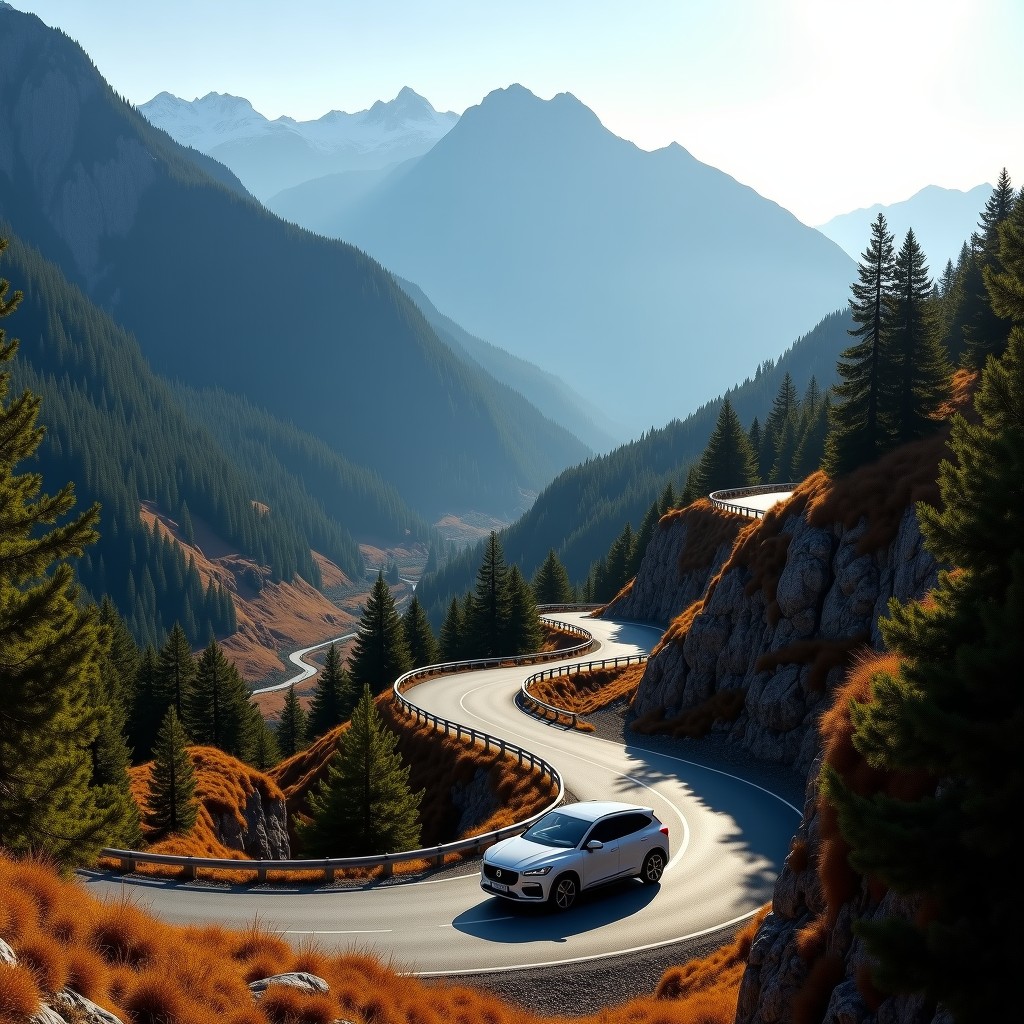
For the most dramatic scenery within easy reach of Bansko, drive up to Vihren Hut in the heart of the Pirin National Park. Vihren is the name of both the hut — a mountain refuge with beds, food, and a small cafe — and the mountain itself, Pirin’s highest peak at 2,914 metres. The road from Bansko to Vihren Hut is about 15 kilometres of switchbacks through old-growth pine and spruce forest, climbing steadily from 925 metres in Bansko to 1,950 metres at the hut. It’s not a difficult drive but it is narrow and requires attention, particularly in the upper sections where the forest opens out and you suddenly have long views down the valley.
Vihren Hut is the starting point for several serious hikes: the summit of Vihren itself (a demanding 3–4 hour climb), the Koncheto ridge (a knife-edge traverse that is one of the highest ridge walks in the Balkans), and the Banderitsa Lakes. Even if you don’t hike, sitting outside the hut with a beer and looking at the peaks is a perfectly valid way to spend an afternoon. In winter, the road to Vihren Hut is closed to cars and you need to take the gondola from Bansko town. In summer and early autumn, the drive is one of the best in Bulgaria.
Drive time: approximately 40 minutes from Bansko. Road conditions: good but narrow and steep. The last 2 kilometres are unpaved but manageable in a normal car in dry weather. Not recommended in snow without winter tyres and experience on mountain roads. Best time: June to October.
Practical Tips for Driving Around Bansko
Car hire in Bansko: there are no rental offices in Bansko town itself — you’ll need to hire in Sofia or at Sofia Airport and drive down. The journey from Sofia Airport to Bansko takes about 2.5 hours via the Struma Motorway (A3) and then the E79 south toward Gotse Delchev. The road is good and well-signposted. One-way rentals to Bansko are sometimes possible; check with your supplier before booking. Compact cars start from around €14 per day in low season, €22–€28 in ski season.
Winter driving: from November to April, winter tyres are essential in the Pirin region. The Predela pass and the road to Vihren Hut can both be snow-covered and icy. Chains are useful if you’re planning to drive to higher altitudes. The main Sofia–Bansko road is kept clear but can be slow in heavy snow. Always check the road conditions before heading into the mountains in winter.
Parking in Bansko: the old town is a nightmare for parking in winter — narrow streets, snow, and every space taken by 9 am. Your accommodation may have a private parking space; confirm this before booking. There are public car parks near the gondola station but they fill up quickly in peak season. If you’re staying outside the town centre, park at your hotel and walk or use the ski shuttle.
Fuel: fill up in Sofia or Blagoevgrad before heading into the Pirin region. There are petrol stations in Bansko but prices are slightly higher than in the cities and queues can be long on Saturday mornings when the Sofia weekend crowd arrives.
Speed limits and enforcement: Bulgaria drives on the right. Speed limits are 50 km/h in built-up areas, 90 km/h on open roads, and 130 km/h on motorways. Speed cameras are common, particularly on the E79 between Blagoevgrad and Bansko. The police presence is visible in summer — they patrol the mountain roads and pull over foreign-registered cars more frequently than local ones. Carry your rental agreement, driving licence, and passport. No hidden fees — always confirm the full rental price including insurance before you drive away.
Related Destinations
Looking for car hire nearby? Also explore Sofia Airport car hire, Sofia to Plovdiv scenic drive, and Burgas Airport car hire for Black Sea road trips. For mountain adventures further afield, check out our guide to Varna Airport car hire for routes into the Balkan Mountains.
Book Your Bansko Car Hire
Compare prices from trusted suppliers and book your car hire for Bansko with confidence. Free cancellation, no hidden fees, and 24/7 customer support. The Pirin Mountains are waiting — your Bulgaria road trip starts here.
Ready to book? Visit our homepage for the best hire car deals.