

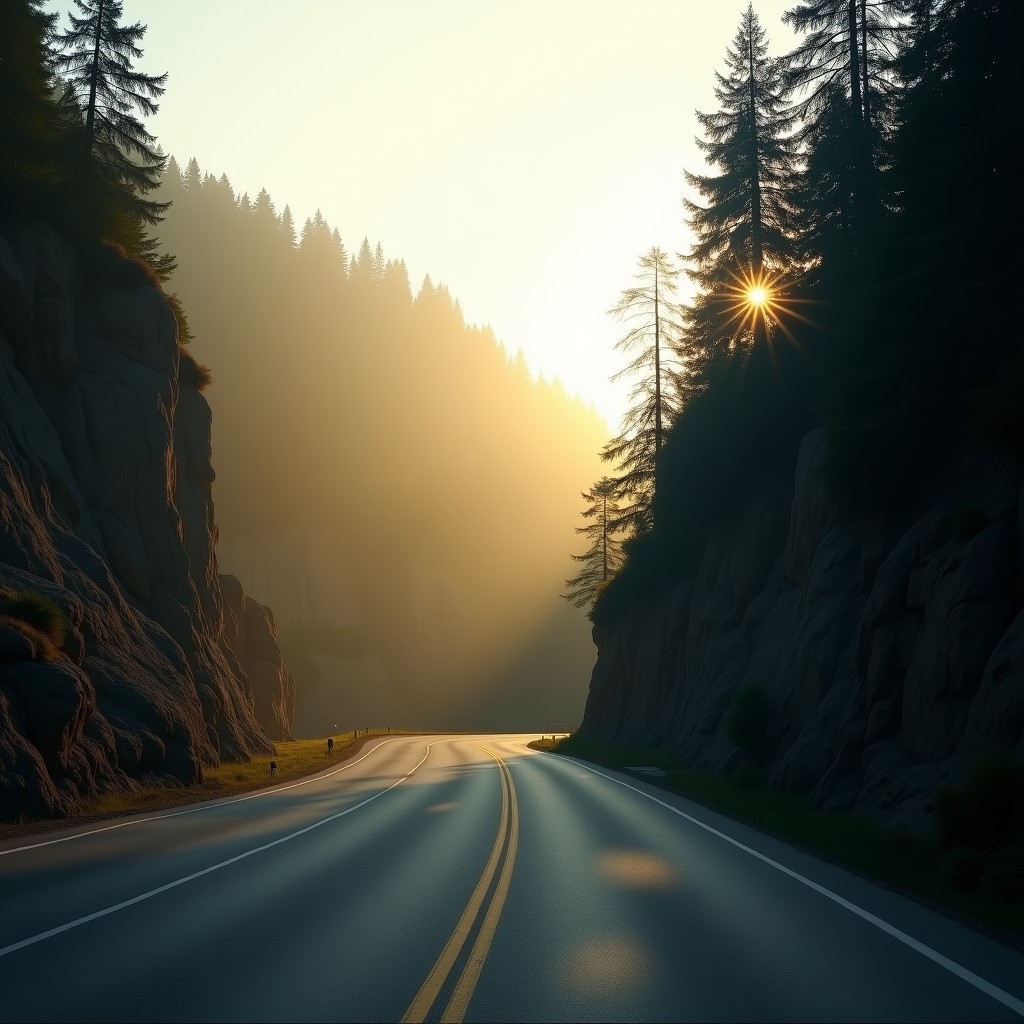
Rhodope Mountains Drive: Caves, Gorges and Village Roads from Plovdiv
The Rhodope Mountains drive from Plovdiv is one of Bulgaria’s most rewarding road routes — a winding mountain journey through deep gorges, underground cave systems, and villages that have changed little in centuries. At the wheel of a hire car, you control the stops, the pace, and the detours that public transport simply cannot offer.
This guide covers the 140-kilometre route from Plovdiv into the heart of the Rhodopes, focusing on the Devil’s Throat Cave, Trigrad Gorge, Yagodinska Cave, and the mountain village of Shiroka Laka. The full loop is a comfortable day trip — leave Plovdiv by 8 AM and you’re back by dinner, with time left over for a late afternoon coffee on Plovdiv’s Stefan Stambolov embankment.
Why Drive the Rhodope Route from Plovdiv?
Plovdiv makes the ideal starting point. It’s Bulgaria’s second city, the A1 motorway drops you south of the city in minutes, and the mountain roads begin almost immediately. From Plovdiv to the Rhodope highlands in under an hour, you go from a modern Bulgarian city to a landscape of sheer limestone cliffs, underground rivers, and villages where the main street is a single lane of cobblestone.
The road isn’t technically demanding — the main route is fully paved — but it is mountainous. Expect hairpin bends between Trigrad and Zhrebevo, sections of narrow two-lane road, and the occasional agricultural vehicle. A compact SUV or hatchback handles it fine. For peace of mind on gravel detours to cave entrances, book with full insurance and confirm no hidden fees with your supplier before departing Plovdiv.
Plovdiv to Asenovgrad: The First 18 Kilometres
Leave Plovdiv heading south on the R6 road toward Asenovgrad. This stretch is dual-lane and well-maintained — you’ll barely notice you’re climbing into the foothills. Asenovgrad itself is worth a brief stop if you have time: the Church of St. Bogoroditsa Petrichka sits in the old quarter and the town is known for its small-scale wine production from the local Mavrud and Melnik grape varieties.
Fill up at Asenovgrad’s fuel station before heading into the mountains. The next fuel stop after Asenovgrad is in Devin, 45 kilometres further on, and prices inside the Rhodopes run higher than in the lowlands.
Asenovgrad to Devin: Climbing Into the Mountains
The road winds steadily upward from Asenovgrad ((旧)351m) through villages like Bachkovo — home to the Bachkovo Monastery (Patriarch Evtimiy), one of Bulgaria’s oldest working monasteries, founded in the 11th century. The monastery complex is worth 30 minutes if you stop: the main church has original 17th-century frescoes, and the monks produce their own grape spirit and honey.
Continuing south, the landscape shifts from rolling farmland to forested mountain slopes. The road narrows and the bends increase. You’ll pass through the village of Mostvo and then the route descends slightly into the Chepelarsko gorge before climbing again toward Devin. The Chepelarska River runs alongside the road for a stretch — in summer, you can see locals picnicking at riverside pull-offs.
Devin (客家:716m) is the main town in this section of the Rhodopes. It’s known for its mineral water — there are public mineral water taps in the town centre. If you need a comfort stop, this is your last real town before the high mountain section.
Devin to Trigrad: The Cave Country
From Devin, the road continues south toward Trigrad — the cave country of the Rhodopes. This is arguably the most spectacular stretch of the drive. The limestone geology here has produced one of the highest concentrations of cave systems in the Balkans.
Devil’s Throat Cave (Dyavolskoto Garlo)
Your first major stop is the Devil’s Throat Cave (Диаволското гарло), 8 kilometres north of Trigrad village, clearly signposted on the left. This is the most famous cave in the Rhodopes and one of the most visited natural attractions in Bulgaria.
The cave takes its name from its main chamber — a vast underground hall (called the Concert Hall) that has hosted actual musical performances because of its extraordinary acoustics. The vertical entrance shaft is 96 metres deep, one of the highest underground waterfalls in the Balkans drops through it, and the total depth of the cave system is 412 metres.
Entry costs around €4–€6 depending on season. Guided tours run every 30–60 minutes and last roughly 40 minutes. The cave is well-lit and the walkways are solid, but there are some wet sections — wear shoes with grip. Photography on tripods is not permitted inside.
Yagodinska Cave (Yagodinskata Peshtera)
After Trigrad village, take the turn toward Village of Yagodina. The Yagodinska Cave (Ягодинска пещера) is 6 kilometres off the main road via a paved but narrow mountain lane. At 10 kilometres, it’s one of the longest caves in Bulgaria — the show section is 1,100 metres and takes about an hour to tour.
Entry is around €5–€7. The cave is known for its spectacular stalactite and stalagmite formations, and particularly for the Snow White Hall — named for the white calcite formations that cover the walls like frozen waterfalls. Yagodinska is less visited than Devil’s Throat, which means shorter queues and a more intimate experience.
Trigrad Gorge and the Mountain Village of Shiroka Laka
The Trigrad Gorge (Триградско ждрело) is a dramatic 7-kilometre limestone gorge carved by the Trigradska River. The road threads through it on a ledge carved into the cliff face — narrow in places, with oncoming traffic managed by passing bays. It’s genuinely impressive. Stop at the viewing platform on the western side of the gorge for the full panorama.
From Trigrad, continue 12 kilometres east to Shiroka Laka (Широка лъка) — one of the most recognisable mountain villages in Bulgaria. At 1,456 metres elevation, it’s known for its authentic Rhodope architecture: stone and timber houses with distinctive overhanging upper storeys, some dating to the 18th century. The village is also the home of the Rhodope singer Val Balkeze, and traditional Rhodope music is an important part of local identity.
Park near the village square — there’s a small informal car park opposite the main church. Walk the main street: almost every house has a carved wooden gate, and several have been restored as guest houses. In summer, the village has a low-key but genuine atmosphere that package-touristed resorts in the Sunny Beach area simply don’t have.
Return Route and Alternative Options
The direct return from Shiroka Laka to Plovdiv retraces the same road — allow 2.5 hours non-stop, or 3.5–4 hours if you’re stopping at the caves again or taking photos at the gorge viewpoint. The road back north is the same route: Shiroka Laka → Trigrad → Devin → Asenovgrad → Plovdiv.
For the return, consider stopping in Asenovgrad for dinner at one of the small tavernas near the old church if you left Plovdiv early enough. The town’s wine bars serve local Mavrud at very reasonable prices.
Practical Information for the Rhodope Drive
Fuel: Fill up at Asenovgrad before entering the mountains. The next fuel station is in Devin (higher prices). There are no fuel stations between Devin and the Shiroka Laka area.
Vignette: Bulgaria’s road vignette (e-vignette) is required for this route. The A1 motorway approaches to Plovdiv and the mountain roads are covered under the vignette system. You can purchase a weekly vignette (€7) at petrol stations near the motorway entry points. Confirm with your rental company that the vignette is valid for the roads you’re using — some rural mountain roads are exempt, but the main route through the Rhodopes is covered.
Road quality: The main Plovdiv–Devin–Trigrad road is fully paved and in good condition. The side road to Yagodinska Cave (6 km) is narrow but paved. The road to Devil’s Throat Cave is a short access road — well-maintained. All roads are passable in a standard sedan in dry conditions. In winter (December–February), snow chains may be required on sections above 1,000m — check conditions locally before departing Plovdiv.
Driving time: Plovdiv to Devin: 1 hour. Devin to Trigrad: 45 minutes. Trigrad to Shiroka Laka: 20 minutes. Total driving one-way: approximately 2.5 hours. Stops at Devil’s Throat (1 hour) and Yagodinska (1.5 hours) add to that.
Car hire from Plovdiv: Hire a car in Plovdiv from around €15–€20 per day. Compare suppliers before you commit, and confirm the insurance policy covers mountain roads. Read the excess and deposit terms carefully — some suppliers apply higher deposits for vehicles taken into mountain areas. Look for suppliers that advertise no hidden fees and free cancellation.
Frequently Asked Questions
How far is the Rhodope Mountains drive from Plovdiv?
The full route from Plovdiv to Shiroka Laka and back is approximately 280 kilometres round trip. Shiroka Laka is 140 km south of Plovdiv. Allow 2.5 hours driving one-way without stops, or 4–5 hours if you’re visiting the caves.
Is the Rhodope Mountains drive suitable for any car?
Yes, in dry conditions a standard sedan handles the main route fine. The roads are fully paved. However, if you’re visiting in winter (December–February), a 4WD or SUV with winter tyres is recommended for sections above 1,000 metres due to snow.
Which caves are worth visiting on the Rhodope drive?
Devil’s Throat Cave is the most famous — the 96-metre vertical shaft and underground waterfall are genuinely impressive. Yagodinska Cave is longer and less visited, with more time to appreciate the formations. Both are within 10 kilometres of each other and can be combined in a single trip.
Do I need a vignette to drive the Rhodope route?
Yes. Bulgaria’s e-vignette is required on the A1 motorway approaching Plovdiv and on the main mountain roads through the Rhodopes. A weekly vignette costs around €7 and is available at petrol stations near motorway entry points. Your rental company should have already activated a vignette for the vehicle — confirm this before departing.
What’s the best time of year for this drive?
Late May through September offers the best combination of road conditions, cave temperatures (caves stay a constant 11°C year-round, so summer visits are comfortable), and village atmosphere. July and August bring more visitors to the caves — arrive before 10 AM to avoid tour groups. Spring (April–May) is also excellent, with wildflowers in the mountain meadows.
Ready to book? Visit our homepage for the best hire car deals.