

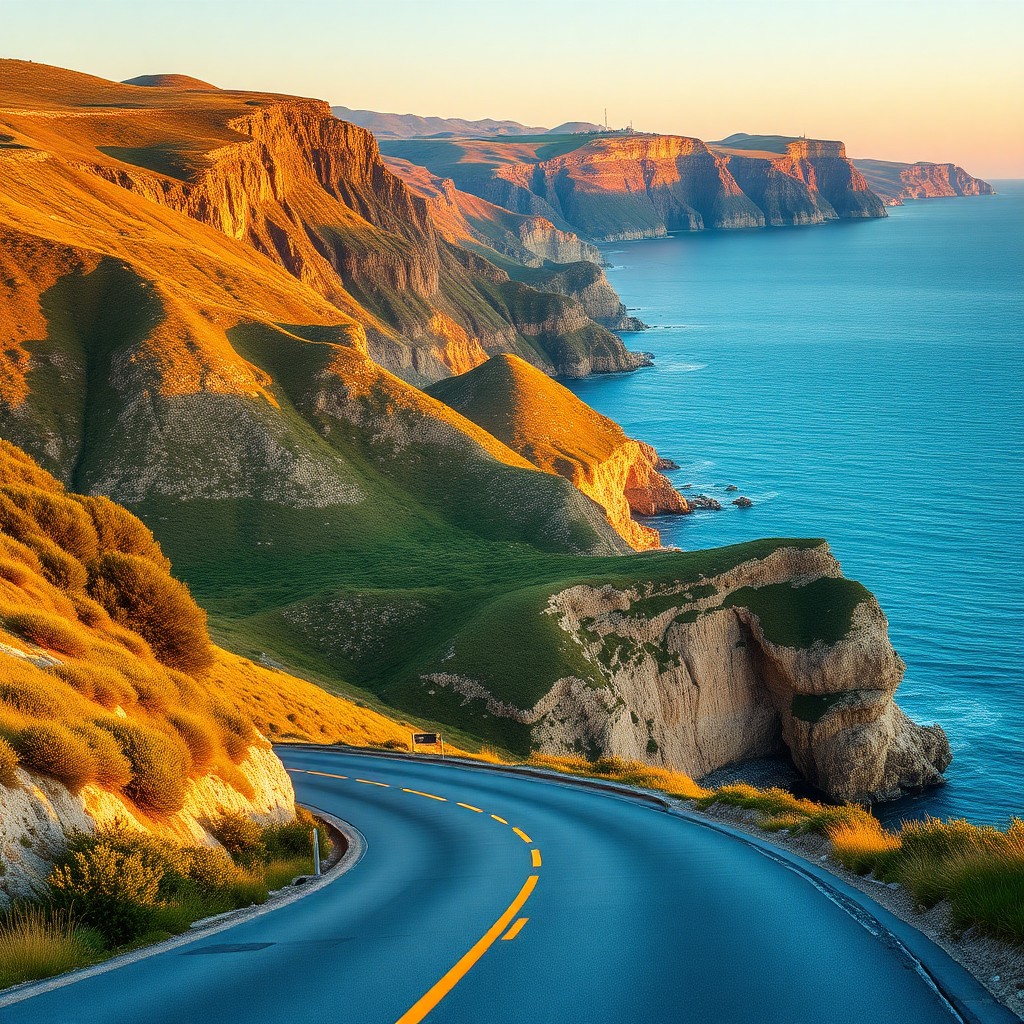
Bulgaria’s Black Sea Coast: The Ultimate Drive Guide
Bulgaria’s Black Sea Coast: The Ultimate Drive Guide
Bulgaria’s Black Sea coastline stretches 378 kilometres from the Romanian border in the north to the Turkish border in the south. That’s a lot of coast. And while most visitors pile into Sunny Beach or Golden Sands and never leave, the real magic happens when you have wheels and the freedom to explore beyond the resorts.
What follows is a practical guide to driving the Bulgarian coast — the routes, the stops, the hidden beaches the guidebooks don’t mention, and the logistics that make it all work.
Why Drive (Instead of Bus or Train)
The coastal bus network exists. It connects Varna to Burgas and stops at major towns in between. But it’s designed for commuters, not explorers. Buses run on schedules that don’t match beach time. They skip the small villages. And they definitely don’t stop at that secluded cove you saw on Instagram.
A car transforms what’s possible. Morning coffee in Varna’s Sea Garden, lunch in Balchik, dinner in Nesebar — all in one day if you want. Or take it slower: a week hopping from beach to beach, staying where the mood takes you.
Best time for a coastal drive: May, June, September, and early October. July and August are peak season — beaches are packed, traffic is heavier, and prices are higher. May and September give you warm water (the Black Sea is pleasant into October), empty beaches, and accommodation at half the price.
Route Overview
Total distance: Approximately 400km if you drive the entire coast end-to-end Recommended duration: 5-7 days for a proper exploration Start/end points: Varna (airport) in the north, or Burgas (airport) in the south
The coast divides naturally into three sections:
1. Northern Coast — Varna to Kavarna (via Golden Sands and Balchik) 2. Central Coast — Albena through Sunny Beach 3. Southern Coast — Nesebar to Sozopol and the Turkish border
You can drive it north-to-south or south-to-north. The descriptions below assume Varna to Burgas (north-to-south), but reverse works equally well.
Section 1: The Northern Coast — Varna to Kavarna
Distance: 60-80km Driving time: 1-2 hours including stops
Varna is Bulgaria’s third-largest city and the natural starting point for a northern coastal drive. If you’re flying in, Varna Airport (VAR) has direct flights from across Europe, and car hire desks operate from the terminal.
Varna: Sea Garden and Beyond
Before leaving Varna, spend at least a morning in the city.
Sea Garden (Morska Gradina) — A massive park stretching along the waterfront. Jogging paths, cafes, an open-air theatre, and the entrance to the beach. Walk it end-to-end for sea views and a sense of how locals use their city.
Aladzha Monastery — 15 minutes north of Varna centre. A medieval Orthodox monastery carved into a cliff. The cells and chapel are carved directly into the rock face. It’s small — 30 minutes will do — but atmospheric, especially in the late afternoon light.
Varna Archaeological Museum — Worth an hour if you’re into history. The Thracian gold collection is world-class.
Lunch in Varna — Try the fish restaurants along the port area. Black Sea fish — turbot, mackerel, sprat — is excellent. Avoid the tourist traps on the main promenade; walk five minutes inland for better prices.
Golden Sands and the Coast Road
From Varna, you can take the motorway south toward Burgas, but the northern coast is best explored on the old coastal road (Route 9).
Golden Sands (Zlatni Pyasatsi) — Bulgaria’s largest resort. Big hotels, big beaches, big crowds. If you want nightlife, it’s here. If you want peace, keep driving. Worth a quick stop to see the scale of it, then move on.
Balchik: The Queen’s Palace
About 40km north of Varna, Balchik is the surprise of the northern coast.
The Palace — Actually two palaces built by Queen Marie of Romania in the 1920s, when this was part of Romania. She fell in love with the place and created something genuinely magical. Italianate architecture, Islamic elements, and the most beautiful botanical garden on the Black Sea. Allow two hours.
The Botanical Garden — Part of the palace complex, but worth mentioning separately. Cacti, roses, Mediterranean plants, and the famous water lily pools. It’s on a hillside overlooking the sea — every turn is a photo.
Balchik Town — Below the palace, a small harbour town with narrow streets and fishing boats. Good seafood restaurants along the waterfront.
Kavarna and Cape Kaliakra
From Balchik, continue north to Kavarna (about 20km), then Cape Kaliakra.
Cape Kaliakra — A narrow peninsula jutting 2km into the sea, with sheer cliffs on both sides. The road runs right to the tip. There’s a small museum, a restaurant (expensive, skip it), and 360-degree sea views. Legend has it that forty Bulgarian maidens jumped from the cliffs rather than be captured by Ottomans — the story is commemorated with a monument.
Kavarna — A small town with a good beach and a surprisingly active rock music scene. The annual Kavarna Rock Fest brings metal bands from across Europe. If you’re here in July, check the schedule.
Section 2: The Central Coast — Albena to Sunny Beach
Distance: 100-120km Driving time: 2-3 hours driving time (longer with stops)
This section includes Bulgaria’s biggest resorts and busiest beaches. It’s where most visitors stay — and where having a car helps you escape the crowds.
Albena
The first major resort south of Varna. Smaller and calmer than Golden Sands or Sunny Beach. The beach is wide and sandy, the water is shallow (good for kids), and the hotels are more mid-range than luxury. A good base if you want to explore the northern and central coasts without the party crowd.
The Scenic Route: Albena to Obzor
Instead of taking the motorway, follow the coastal road through Byala and Obzor. It’s slower but far more scenic.
Byala — A small town known for its white cliffs and local wine. The beach is decent, but the real reason to stop is the scenery. The coastal road here is dramatic — cliffs on one side, sea on the other.
Obzor — A slightly larger town with a long sandy beach. The main street has cafes and restaurants, and it’s less resort-y than the places further south. Good for a lunch stop.
Sunny Beach (Slanchev Bryag)
Bulgaria’s largest resort. 8km of sandy beach, hundreds of hotels, bars, clubs, restaurants. If you’re in your 20s and want nightlife, it’s perfect. If you’re not, it can feel like a theme park.
With a car, you can skip staying here and visit for a day, then escape to quieter beaches. The beach itself is fine — wide, sandy, shallow water. But it’s crowded from June to August.
Parking in Sunny Beach — Challenging in peak season. Most hotels have parking for guests. Day visitors should look for public lots on the edge of town and walk in.
Nesebar: The Old Town
Just south of Sunny Beach, connected by a narrow causeway, Nesebar Old Town is a UNESCO World Heritage Site. It’s been inhabited for over 3,000 years — Thracian, Greek, Roman, Byzantine, Ottoman.
What to see — Narrow cobblestone streets, medieval churches (mostly ruins, but atmospheric), wooden houses from the Bulgarian Revival period, and sea views from the town walls. Allow two hours to walk the whole thing.
Eat here, not Sunny Beach — Nesebar’s restaurants are better and cheaper than the resort strip. Try fresh Black Sea fish at any of the waterfront places.
Stay here instead of Sunny Beach — If you want history and atmosphere with your beach holiday, Nesebar has character. The New Town (on the mainland) has modern hotels, while the Old Town (on the peninsula) has smaller guesthouses.
Section 3: The Southern Coast — Nesebar to Sozopol
Distance: 60-80km Driving time: 1-2 hours
The southern coast is quieter, more authentic, and in many ways more beautiful than the central strip. It’s also where Bulgarians go on holiday.
Ravda and Quiet Beaches
From Nesebar, head south to Ravda — a small resort town that’s popular with Bulgarian families. The beaches are smaller than Sunny Beach but far less crowded. Good for a relaxed stop.
Sozopol: Ancient Apollonia
Sozopol is Nesebar’s southern cousin — same UNESCO-worthy Old Town, but with a different vibe. It was founded as Apollonia by Greek colonists in 610 BC, making it one of the oldest towns on the Black Sea.
Old Town — Wooden houses from the 18th and 19th centuries, narrow streets, and two beaches on either side of the peninsula. The southern beach (Harmanite) is larger; the northern beach is quieter.
Archaeological finds — Recent excavations have uncovered ancient Greek and Thracian artefacts. The Archaeological Museum displays finds including a 5th-century BC bronze statue of Apollo.
Stay in Sozopol — More character than Sunny Beach, better restaurants than Nesebar. A good base for the final stretch of coast.
South of Sozopol: Primorsko and Beyond
From Sozopol, the coast road continues south through smaller towns and wilder beaches.
Primorsko — A resort town popular with young Bulgarians. Big beach, nightlife in season, water sports.
Kiten and Lozenets — Smaller, quieter, more local. Kiten has a nice beach at the mouth of a river. Lozenets is a bit more up-and-coming, with boutique hotels and beach clubs.
The Turkish border — You can drive all the way to the Turkish border at Rezovo, but there’s not much there. The road deteriorates, and it’s a long way for a photo at the border marker. Stop at Ahtopol instead — the last Bulgarian town of any size, with a nice beach and a lighthouse.
Hidden Beaches and Local Tips
The famous beaches get crowded. Here are alternatives:
Karadere Beach — South of Varna, accessed via a dirt road. Camping, kite surfing, and no development. Bring everything you need — no shops.
Coral Beach (Koral) — Near Sozopol, accessed via a hiking trail. Crystal-clear water, sandy bottom, minimal crowds.
Irakli — North of Sunny Beach, a protected area with a long sandy beach. No development — bring an umbrella and water.
Golden Beach near Varna — Not to be confused with Golden Sands. Smaller, less crowded, good for families.
Practical Driving Tips
Car hire pickup — Varna Airport or Burgas Airport are the obvious choices. Both have Vipcars partners with desks in the terminal. Book ahead in summer.
Road conditions — The main coastal road (Route 9) is in good condition. The motorway (A5) between Varna and Burgas is faster but inland — skip it if you want scenery.
Fuel — Petrol stations are frequent on main roads. Expect €1.50-1.60 per litre for unleaded.
Parking — Free in small towns. Paid in resorts — expect €3-5 per day in hotel lots, €1-2 per hour in public lots.
Summer traffic — July and August see congestion in Sunny Beach, Golden Sands, and around Nesebar. Avoid driving through town centres in peak hours. The coastal road is often faster than the motorway in summer because it bypasses the resort entrances.
7-Day Itinerary: Varna to Sozopol
Day 1: Arrive Varna, explore Sea Garden and Aladzha Monastery Day 2: Varna to Balchik (palace and botanical garden), overnight in Balchik or Kavarna Day 3: Cape Kaliakra, then drive south to Albena or Byala Day 4: Byala and Obzor, continue to Sunny Beach or Nesebar Day 5: Sunny Beach beaches (or escape to hidden beaches), evening in Nesebar Old Town Day 6: Nesebar to Sozopol, explore Old Town, overnight in Sozopol Day 7: Sozopol beaches or Primorsko, return to Varna or fly out of Burgas
Adjust based on your interests. Skip the resorts entirely if you prefer quieter beaches — the hidden coves between towns are often the best spots.
Book Your Bulgaria Car Hire
Compare prices from Vipcars partners at Varna Airport or Burgas Airport below. No hidden fees, free cancellation up to 48 hours before pickup.
Frequently Asked Questions
Is the coastal road difficult to drive?
No. Route 9 is a standard two-lane road, well-maintained. The motorway (A5) is even easier. Some minor roads to hidden beaches are unpaved but passable in a standard car.
Do I need an International Driving Permit?
EU/EEA licences are accepted. If you’re from outside Europe, an IDP is recommended.
Can I drive into Turkey from Bulgaria?
Most rental companies allow it, but you must declare cross-border travel when booking. Check the specific terms — some have restrictions on which border crossings you can use.
What’s the water temperature?
The Black Sea warms up nicely. By July, it’s 24-26°C. September sees water around 22-24°C. May is cooler (16-18°C).
Are beaches free?
Public beaches are free. Some beach clubs charge for sunbeds and umbrellas. Hidden beaches are always free — but bring your own shade.
Related Guides
- Car Hire Varna Airport — Start your coastal drive from Varna
- Car Rental Sunny Beach — Base yourself at Bulgaria’s biggest resort
- Car Hire Bourgas Airport — Fly into Burgas and head north
- Sofia to Bansko Drive Guide — Planning a ski trip too?
- Driving in Bulgaria Guide — Everything you need to know about Bulgarian roads